Buying or Selling a Home With Asbestos: What It Means for the Sale
Updated Jul 2026 · 6 min read
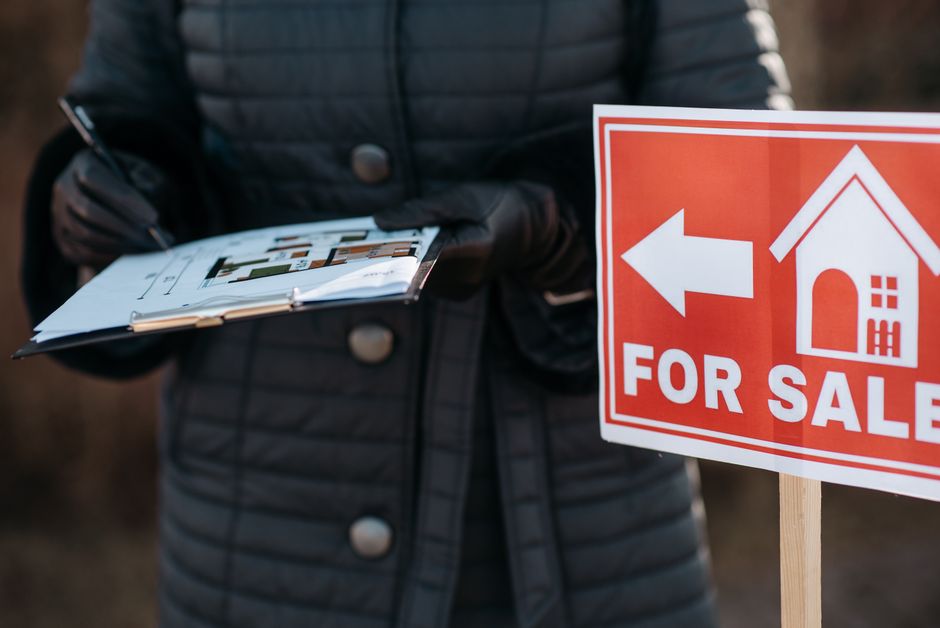
Asbestos and the real estate deal
Finding asbestos in a house you want to buy, or in one you are about to list, feels like a dealbreaker. It usually isn't. Plenty of older homes change hands every year with asbestos-containing materials still in place, and the transaction goes through once both sides understand what they are dealing with.
The material only poses a health risk when its fibers become airborne, which happens when asbestos is cut, sanded, drilled, or left to crumble. Intact material that is sealed and undisturbed is often left alone on purpose. So the real question in a sale is rarely "is there asbestos?" but "what condition is it in, and who handles it?"
If you are selling
Disclosure comes first
Most states require sellers to disclose known material defects, and known asbestos usually falls under that. If you have a past inspection report, an old abatement invoice, or a contractor's note about popcorn ceilings or pipe insulation, that is knowledge you are expected to share. Hiding it invites problems long after closing.
Check your state and local disclosure rules, or ask your agent. When you genuinely do not know whether a material contains asbestos, saying so honestly is fine. What you cannot do is claim ignorance about something you already had tested.
Test before you list, or wait for the buyer
You have two reasonable paths. Some sellers order an inspection before listing so there are no surprises during the buyer's due diligence. This lets you get ahead of the conversation and, if you choose, price the work into your asking figure. Others wait and let the buyer's inspector raise it, then negotiate from there.
There is no single right answer. A pre-listing test gives you control of the timeline and the narrative. Waiting saves you the upfront cost if the buyer never asks. For a home you already suspect has asbestos in obvious places, getting it tested early tends to make the process calmer.
Encapsulate, remove, or leave it
If a test comes back positive, you have options short of a full tear-out. Material in good shape can sometimes be sealed or covered so fibers stay locked in, which a professional can advise on. Removal makes more sense when the material is already damaged, or when a buyer plans a renovation that would disturb it anyway. A licensed contractor should scope this, because the right call depends on the specific material and its condition.
If you are buying
Get it inspected during due diligence
When you are under contract on an older property, the inspection period is your window. A standard home inspector will flag suspect materials but generally will not confirm asbestos, because that requires lab analysis of a physical sample. If your inspector points at a textured ceiling, old floor tiles, duct wrapping, or insulation and says it looks like asbestos-containing material, that is your cue to bring in a specialist for testing before the contingency deadline passes.
Do not sand, scrape, or pull up anything yourself to "check." Sampling is a job for someone trained to take it safely.
Decide what you actually need
A positive result does not automatically mean you should walk. Ask yourself what you plan to do with the space. If you intend to leave that ceiling or those tiles untouched, sealed asbestos in good condition may simply become part of the home's maintenance story, something to monitor rather than rip out. If your plans involve gutting a kitchen or tearing down a wall, the material sits directly in your path and needs professional handling before the work starts.
This is where a renovation-minded buyer and a move-in-ready buyer reach different conclusions about the same house.
Use it in negotiation, fairly
Confirmed asbestos is a legitimate item to raise with the seller. Buyers commonly ask for a price reduction, a repair credit, or for the seller to arrange abatement through a licensed contractor before closing. Which of these you push for depends on your local market and how much competition there is for the home. Get a written estimate from a qualified contractor first so the conversation rests on a real scope of work rather than a guess.
Financing and insurance realities
Asbestos can surface in the mortgage process too. Some loan programs and appraisers care about the condition of the property, and visibly deteriorating material may draw a note that has to be resolved before funding. This varies by lender and loan type, so if you are buying with financing, mention any known asbestos to your loan officer early rather than discovering a snag days before closing.
Insurance is worth a quick call as well. Coverage for asbestos-related work differs between carriers, and it is better to understand your policy before you own the problem than after.
Commercial properties raise the bar
If the deal involves a commercial building rather than a single-family home, expect more paperwork. Many commercial and multi-unit buildings are subject to asbestos management requirements, and a buyer's team often orders a survey as part of due diligence. Lenders and future tenants may ask for documentation showing the building has been assessed and that any material is being managed. Treat this as a normal part of the transaction and budget time for it.
A calm way through
Asbestos in a real estate deal rewards steady handling over panic. Test through qualified people, document what you find, and keep any removal in the hands of a licensed contractor. For sellers, honesty and a clear paper trail protect you after closing. For buyers, a confirmed result is information you can price and plan around, not automatically a reason to lose the house you want.
When you reach the point of needing a sample taken, a material assessed, or abatement quoted, browse the inspectors and abatement contractors in your city on this directory and ask each one how they handle real estate timelines. The right provider will understand that a sale has deadlines and will work to them.